Information & Consultation

Everything you need to know about PIPAC therapy and diseases of the peritoneum

Finding the best way forward together

The German PIPAC Center offers you:

Support in finding a hospital: we show you which centres offer PIPAC and arrange an appointment together with you

Personal consultations in which we address your individual situation

Help for relatives, who play an important role in caring for and supporting the patient

Comprehensive information on modern therapies such as PIPAC

A cancer diagnosis confronts patients and their relatives with many questions. Especially when the peritoneum is affected (peritoneal carcinomatosis), patients often feel unsure which treatment options exist and where they can find the best support. We help you with this.

Consultation

General information at a glance

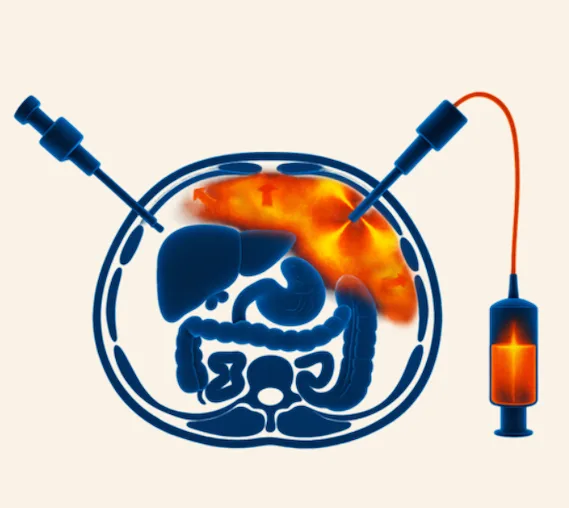
Illustration of PIPAC therapy

Pressurized Intraperitoneal Aerosol Chemotherapy (PIPAC)

PIPAC is a minimally invasive procedure for treating tumours of the peritoneum. During a short laparoscopy, a chemotherapy drug is delivered into the abdominal cavity under pressure in the form of a fine aerosol.

Thanks to the aerosol effect, the drug spreads evenly across the entire peritoneum and can penetrate deep into the tumour tissue. The rest of the body is under considerably less strain than with conventional chemotherapy.

Indications:

  • Peritoneal carcinomatosis from gastric, colorectal and pancreatic cancer
  • Advanced ovarian cancer
  • Other tumours affecting the peritoneum

PIPAC is given in repeated cycles and can be used either as a stand-alone therapy or in combination with other forms of cancer treatment. The aim is to slow tumour growth, relieve symptoms and improve quality of life

Peritoneum

Peritoneum

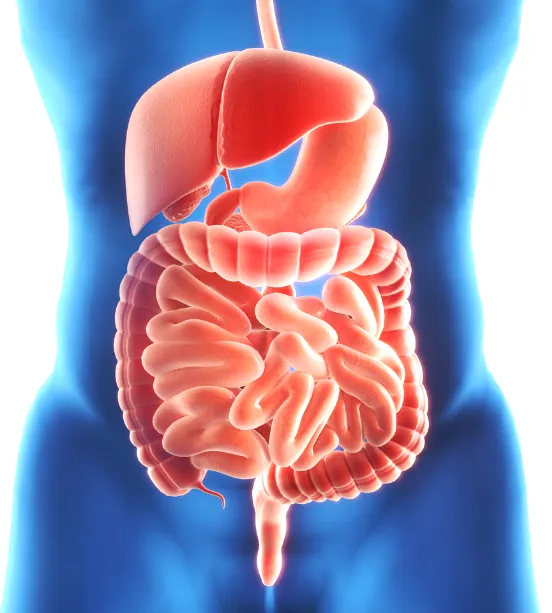
The peritoneum is a thin, smooth membrane that lines the entire abdominal cavity. It covers many organs such as the stomach, intestines, liver or spleen and keeps them protected and able to move freely.

You can think of the peritoneum as a protective cover and sliding layer: it produces fluid that stops the organs from rubbing against each other.

Because the peritoneum covers such a large area of the body, cancer cells can unfortunately also settle and spread here easily. This is referred to as peritoneal carcinomatosis.

Peritoneal carcinomatosis

Peritoneal carcinomatosis

Peritoneal carcinomatosis means that cancer cells have spread to the peritoneum. The peritoneum is a thin membrane that lines the entire abdominal cavity and surrounds the internal organs.

Peritoneal carcinomatosis usually develops when cancer cells break away from other organs (for example the stomach, bowel, ovary or pancreas) and “settle” in the abdominal cavity.

Common complaints include:

  • an increasing abdominal girth due to fluid build-up (ascites)
  • digestive problems and a feeling of fullness
  • abdominal pain or a feeling of pressure
  • general weakness and weight loss

The disease is often difficult to treat because many small tumour deposits can form throughout the abdominal cavity. This is exactly where PIPAC therapy comes in: thanks to the fine spraying technique, the drug is meant to reach these scattered cancer cells better than chemotherapy given into a vein.

Therapy

Therapy for peritoneal involvement

Treating peritoneal cancer is a particular challenge, as the disease is often only detected at an advanced stage. Conventional chemotherapy reaches the peritoneum only to a limited extent and puts a strain on the whole body.

With PIPAC therapy (Pressurized IntraPeritoneal Aerosol Chemotherapy), however, a modern, minimally invasive procedure is available. The chemotherapy is not given via the bloodstream but delivered directly into the abdominal cavity as a fine spray mist. Thanks to the positive pressure, the drug spreads evenly across the peritoneum, penetrates the tumour tissue better and acts there in a targeted way, while the rest of the body is spared.

The advantages of this method:

  • Gentle procedure: minimally invasive surgery through small incisions
  • Targeted effect: high drug concentration at the tumour, fewer side effects throughout the body
  • Repeatability: the treatment can be carried out in several cycles
  • Integration into treatment concepts: PIPAC can be combined with other treatments, e.g. systemic chemotherapy or surgery

We want to offer patients with peritoneal cancer a scientifically sound treatment that puts quality of life first.

Symptoms

Symptoms of peritoneal cancer

Peritoneal cancer (peritoneal carcinomatosis) usually develops gradually. In the early stages, the disease often causes no symptoms or only non-specific ones. This is why it frequently goes unnoticed at first.

Typical symptoms that may appear as the disease progresses include:

  • Unexplained abdominal pain or a feeling of pressure
  • Bloating, a feeling of fullness or loss of appetite
  • Nausea and digestive problems
  • Unexplained weight loss
  • Increasing abdominal girth (due to fluid in the abdominal cavity, known as ascites)
  • General weakness and fatigue

As these complaints can also have many other causes, a medical assessment is particularly important, especially for patients who already have cancer of the stomach, bowel, ovary or pancreas. An early diagnosis can help to start suitable treatments such as PIPAC therapy sooner and to improve quality of life.

Diagnosis

Diagnosis of peritoneal cancer

Diagnosing peritoneal cancer (peritoneal carcinomatosis) is often difficult, because at first the disease only causes non-specific complaints, for example abdominal pain, a feeling of fullness, loss of appetite or unintended weight loss. As a result, the disease is often only detected at an advanced stage.

Various methods are used to investigate it:

  • Imaging: ultrasound, CT or MRI can reveal changes in the abdominal cavity.
  • Physical examination & blood tests: provide first indications, but are not sufficient on their own.
  • Laparoscopy (keyhole examination of the abdomen): this allows doctors to look at the peritoneum directly, take tissue samples and assess exactly how far the disease has spread. It is considered the gold standard in diagnosis.
  • Histological examination: only the microscopic analysis of a tissue sample provides definitive confirmation of the diagnosis.

An accurate diagnosis is essential for planning the right therapy. This can include PIPAC therapy.

PIPAC 2.0

Prof. Dr. Jürgen Zieren has developed the original PIPAC procedure further over many years. The result is PIPAC 2.0, with adjusted dosing and new nozzle technology.

What changes with PIPAC 2.0:

Optimised dosing

Drug concentrations balanced for effect and tolerability

New nozzle technology

More even distribution of the drug throughout the abdominal cavity

Pressure & temperature control

Optimised parameters for improved uptake of the drug into the tumour tissue

High-dose regimen

Higher drug concentration directly at the tumour with lower systemic burden at the same time

Special supportive therapies

Infusion and supportive therapies for optimal preparation before and aftercare following treatment

Scientifically monitored

Efficacy and tolerability are being studied

Our aim

We want to help you find your way. If you are well informed, you can take part in decisions about your treatment and know what comes next. Write to us via the contact form or by email. We take time for your questions and work out the right path with you.

Get in touch
Request a consultation